
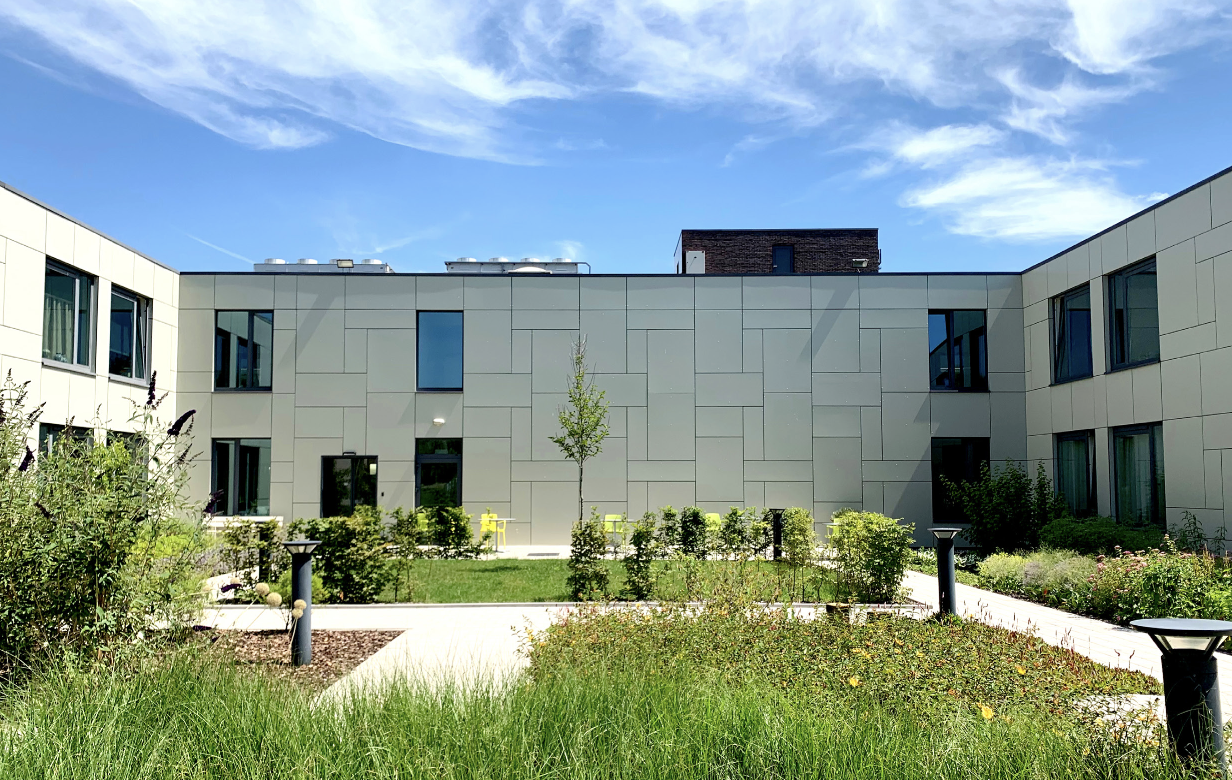
Sustainable dealership renovation is about more than giving a showroom a modern appearance. It means considering what you can retain, how much disruption you can avoid and how refurbishment decisions may affect the building’s long-term energy use and environmental impact.
For car dealerships, this can be particularly important.
Large façades, extensive glazing and changing OEM Corporate Identity requirements can make dealership refurbishment a significant project.
The traditional approach may involve repainting or replacing existing building materials.
But what if suitable materials could stay in place?
And what if other architectural film solutions could also help improve the energy performance of large areas of dealership glazing?
This is where architectural films can become part of a wider sustainability strategy.
What Does Sustainable Dealership Renovation Mean?
A sustainable refurbishment should consider the building beyond its new appearance.
Before replacing existing materials, project teams can ask:
- Can we retain and refurbish existing façade surfaces?
- Can we extend the useful life of current materials?
- How much waste will the refurbishment generate?
- How disruptive will the project be?
- Can we improve the performance of existing glazing?
- Could we reduce the building’s cooling requirements?
- How will the chosen solution perform over time?
These questions shift the conversation away from simply choosing a new finish.
Instead, they encourage dealerships to consider the whole refurbishment strategy.
Façade Film and Sustainable Dealership Renovation
An ageing façade does not always need replacing.
Sometimes, the existing panels remain structurally suitable but no longer meet the visual requirements of the dealership.
Colours may have faded. The building may look dated. Or an automotive manufacturer may have introduced new Corporate Identity guidelines.
In these situations, Avery Dennison Façade Film can provide another approach.
Installers can apply the architectural film to compatible, prepared existing surfaces. This gives the building a new colour and finish without automatically requiring panel replacement.
Retain What You Already Have
One of the simplest principles in sustainable refurbishment is extending the useful life of existing materials where practical.
If façade panels still perform correctly, removing them simply because their appearance has changed may create unnecessary material waste.
Façade Film can help give suitable surfaces a new visual life.
For dealerships undergoing a brand update or exterior facelift, this can create a significant transformation while retaining more of the existing building.
Reduce the Need for Complete Replacement
Replacing façade panels involves more than removing the old material.
New materials need to be manufactured, transported and installed. The removed materials also need to be managed.
Refurbishing suitable existing surfaces can reduce the extent of this process.
This does not mean Façade Film will always have a lower carbon footprint than every alternative. The environmental impact depends on the complete project specification.
However, retaining existing building elements rather than automatically replacing them is an important consideration in resource-efficient refurbishment.
Not familiar with the technology? Read What Is Architectural Façade Film? A Beginner’s Guide.
Sustainability Isn’t Only About the Façade
The exterior panels are only one part of a dealership building.
Think about a typical modern showroom.
Many feature large areas of glass designed to create bright, open environments and showcase vehicles to people outside.
That glazing can also allow solar energy into the building.
During warmer periods, this can increase internal heat gain and place greater demand on cooling systems.
This is where another category of architectural film becomes relevant.
Can Window Film Reduce Dealership Energy Costs?
Solar control window films are specifically designed to reduce the amount of solar heat entering through glazing.
Avery Dennison offers architectural window films that reject solar energy and help reduce heat gain. This can lower the energy required to cool commercial buildings and reduce the associated carbon emissions.
Exterior solar control films work by rejecting solar energy at the outer surface of the window, before more of that energy enters the building. Avery Dennison states that this approach can provide particularly effective solar heat control with modern glazing systems.
For dealerships with extensive showroom glazing, that creates an interesting opportunity.
The same refurbishment conversation can consider both appearance and building performance.
How Solar Control Film Can Support Dealership Sustainability
Solar control films can provide several benefits for commercial glazing.
Reduced Solar Heat Gain
The primary purpose is to reduce the solar energy entering the building through the windows.
Less heat entering the showroom can reduce the cooling load during warmer conditions.
Lower Cooling Energy Requirements
When the building experiences less solar heat gain, cooling systems may not need to work as hard to maintain comfortable indoor temperatures.
Avery Dennison specifically identifies reduced cooling energy consumption and associated carbon emissions as benefits of its solar control window film portfolio.
Actual savings will vary by building. Glazing type, orientation, climate, film selection and HVAC performance can all affect the result.
Improved Occupant Comfort
Energy performance isn’t the only consideration.
Excessive solar heat and glare can make areas close to dealership windows uncomfortable for employees and customers.
Solar films can reduce heat and glare while maintaining different levels of natural daylight, depending on the selected product.
UV Protection
Several Avery Dennison architectural window film ranges block more than 99% of UV radiation.
This can help limit fading and sun damage to interior furnishings and other materials exposed to sunlight.
For a dealership with large glazed areas, protecting the appearance of the showroom can provide another long-term benefit.
Façade Film vs Solar Control Film: What’s the Difference?
It’s important not to confuse the two products.
Façade Film focuses primarily on transforming suitable exterior building surfaces. It can help dealerships retain existing materials, change colours and finishes, and modernise the building with minimal disruption.
Solar Control Window Film goes onto suitable glazing and focuses on solar performance. It can reduce solar heat gain, help lower cooling requirements and improve occupant comfort.
The two solutions address different problems.
But together, they demonstrate how architectural films can support a more considered approach to commercial building refurbishment.
Compare your options in our Complete Guide to Dealership Façade Renovation.
A Different Way to Think About Your Dealership Facelift
Imagine a dealership preparing for a new OEM Corporate Identity programme.
The obvious approach might be:
Replace the old façade. Repaint the remaining surfaces. Leave the glazing unchanged.
But a more considered assessment could ask:
Which existing materials can we retain?
Could Façade Film deliver the required new colours and finishes?
Could solar control film improve the performance of the showroom glazing?
Can we complete the project while keeping the dealership operational?
Suddenly, the project becomes more than a cosmetic facelift.
It becomes an opportunity to consider how the building can look and perform over the coming years.
What About the Carbon Footprint?
Carbon claims require care.
There is no responsible way to say that every Façade Film project will reduce a dealership’s carbon footprint by a specific percentage without assessing the actual building and refurbishment alternatives.
However, dealerships can consider two different areas.
First, material retention. Keeping suitable existing façade elements in service can reduce the need for complete replacement.
Second, operational energy. Solar control window films can reduce heat gain through glazing. This may reduce cooling energy consumption and its associated carbon emissions. Avery Dennison also provides Environmental Product Declarations for parts of its architectural window film portfolio, offering verified environmental-impact information for specification decisions.
This distinction is important when evaluating a refurbishment project.
Can You Estimate Potential Energy Savings?
Every dealership is different.
Building orientation, window area, glass specification, local weather conditions and HVAC systems all influence energy performance.
For this reason, generic savings percentages can be misleading.
Avery Dennison provides an Energy Savings Calculator designed to estimate how Solar Control Window Films could affect heat gain, energy efficiency and sustainability based on building characteristics.
For dealerships with extensive glazing, this type of assessment can help determine whether solar film deserves further consideration.
Sustainability and Cost Efficiency Can Work Together
Sustainable refurbishment does not have to mean choosing an option simply because it carries an environmental benefit.
For dealerships, the strongest projects can combine environmental considerations with practical commercial benefits.
That may include:
- Retaining suitable existing façade materials
- Avoiding unnecessary replacement
- Reducing refurbishment disruption
- Extending the useful life of existing surfaces
- Reducing solar heat gain through glazing
- Lowering cooling requirements where appropriate
- Considering long-term durability and maintenance
This is particularly relevant for dealerships working across multiple locations.
A refurbishment strategy that considers materials, energy and operational disruption can provide a more complete framework for future upgrades.
Before Your Next Dealership Renovation, Look at the Whole Building
A dealership facelift often starts with appearance.
Perhaps the façade looks dated. Maybe the automotive brand has introduced new Corporate Identity requirements. Or the building simply needs a more modern look.
But refurbishment creates an opportunity to ask bigger questions.
What can we retain?
What could perform better?
Where are we using energy unnecessarily?
And can we achieve the transformation without putting the business on hold?
Avery Dennison Façade Film and Architectural Window Films solve different challenges. Together, however, they demonstrate how existing commercial buildings can be approached differently.
The goal isn’t simply a dealership that looks newer.
It’s a dealership refurbishment that makes sense for the building, the business and its future.
Explore a Smarter Approach to Dealership Refurbishment
Considering an exterior upgrade?
Our Façade Solutions Case Study Brochure features real automotive dealership transformations using Avery Dennison Façade Film.
See how dealerships have refreshed existing buildings, responded to Corporate Identity requirements and achieved major visual changes with minimal disruption.
DOWNLOAD THE FREE CASE STUDY BROCHURE
Want to look beyond appearance?
Our Façade specialists can discuss your building, refurbishment requirements and the architectural film solutions available for your project.